


Moonly: Moon Phases & Calendar
3.92.34K Reviews
App Specs
- Version
- 1.0.319
- Updated On
- License
- Free
- Downloads
- 1,000,000+
- Developer
- Cosmic Vibrations Inc
- Categories
- Lifestyle
- Platform
- Android, iOS
Screenshots
 Analysis by AppCompare
I’d recommend Moonly: Moon Phases & Calendar if you want a calm, visually led way to bring lunar cycles and astrology into everyday reflection. Its appeal is not that it proves the moon shapes your choices; it gives curious users a place to check lunar timing, explore a birth chart, and try meditations or affirmations. I find that mix more useful as a personal ritual than as a practical astronomy tool, and that distinction matters before you make it part of your routine.
A place for curiosity, not certainty
Moonly is a free lifestyle app from Cosmic Vibrations Inc. It has an average rating of 4.0 from around 28,000 ratings, with roughly 2,300 written reviews, and more than a million installs. That suggests a sizeable audience for its blend of moon-related content and self-reflection, though popularity alone doesn’t tell you whether its outlook will suit you. The app is rated for everyone, while its astrology-oriented interpretations are best approached as prompts rather than established explanations of mood or events.
The distinction is especially useful if you’re arriving for the moon calendar but are unsure about astrology. You can treat phase information as a cue to notice the sky, then decide for yourself whether the accompanying reflections resonate. I’d avoid using any horoscope-style guidance as the sole basis for a consequential decision. The healthiest way to engage is to keep your own judgment in charge and let the app provide ideas for journaling or a quiet pause.
Exploring the Features
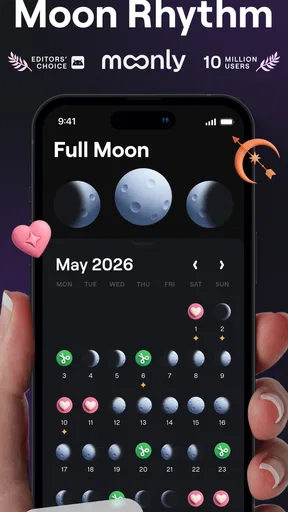
When you first open Moonly, you're greeted with a sleek interface that feels both welcoming and intuitive. The design is minimalistic, which makes it super easy to navigate, even if you're not a tech guru. The app's main screen provides a quick snapshot of the current moon phase, complete with a beautiful visual representation. It's like having a piece of the night sky in your pocket.
The calendar feature is where the app truly stands out. Not only does it show you upcoming moon phases, but it also incorporates lunar events and celestial happenings. If you're planning any moonlit activities, this is a must-have tool. You can even set reminders for specific phases—perfect for those who like to plan rituals or simply enjoy moonlit walks.
Making the calendar useful in real life
A lunar calendar works best when it serves a small, concrete purpose. I’d use a reminder to nudge me toward an evening walk or a few minutes of sky-watching, rather than treating the date as a prediction about how the day will go. If clouds hide the moon, the reminder can still be a cue to pause, check in with yourself, or make a note of what you wanted to observe. That keeps the habit flexible instead of turning a missed sighting into a failed plan.
One practical approach is to choose only the phases you genuinely care about for notifications. If every event competes for attention, a tool meant to create a calmer routine can become another source of alerts to clear. Set a reminder for a meaningful occasion, then see whether it helps you follow through before adding more. This small bit of restraint makes the calendar easier to live with over time.
Worth Reading Before You Choose

EA SPORTS FC Mobile 26 Is a Bigger Football Game, but It Takes Time

Flipboard Shows What News Apps Must Do Beyond the Feed

Switching to Android Auto Means Rethinking Your Driving Routine

Google Calendar Makes a Crowded Week Easier to Manage

Ludo King Makes the Most of the Minutes Between Plans

Baby Panda World Brings Quick Play to Modern Phones, but Its Game Library Feels Busy
It is also worth separating two kinds of planning. Moonly can help you remember a lunar date, while ordinary calendar tools are better for appointments, travel, and obligations that need precise scheduling. I would use it alongside a regular calendar, not as a replacement. That division lets the app stay focused on lunar interest without asking it to manage the rest of your life.
Customizing Your Experience
One of the coolest features is the customization options. You can tailor the notifications to alert you about specific phases or events. The app also allows you to switch between different calendar views, offering both a traditional calendar layout and a more detailed lunar chart. This flexibility ensures that Moonly can fit seamlessly into your lifestyle, whether you're a casual observer or a dedicated lunar enthusiast.
For those who like their apps to reflect their personal style, Moonly offers various themes. You can choose from light and dark modes or dive into more artistic themes that change the look and feel of your lunar dashboard. It’s a small touch, but it adds a nice personal flair to the user experience.
Choosing a view that answers your question
The calendar and chart are useful for different kinds of curiosity. If you only want to know what phase is coming up, a month-style view is likely the quicker check. If you’re trying to follow a pattern across several dates, the lunar chart gives you a more focused way to look at progression. I’d switch views according to the question rather than settling on the most decorative screen; the point is to make the information easy to use, not to spend time browsing menus.
Themes are pleasant, but they’re not the reason I’d keep the app. A visual style can make a nightly check-in feel inviting, yet too much attention to appearance can distract from the simple habit of noticing the phase and moving on. If you prefer a plain, information-first display, choose the least busy option available and judge the app by how quickly you can find what you came for.
The Astrology Connection
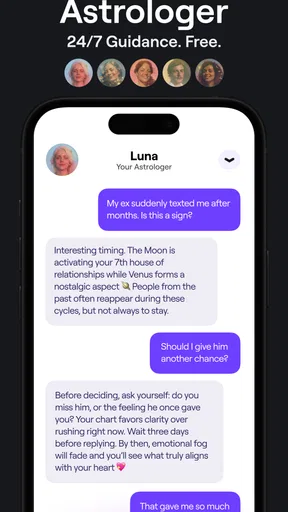
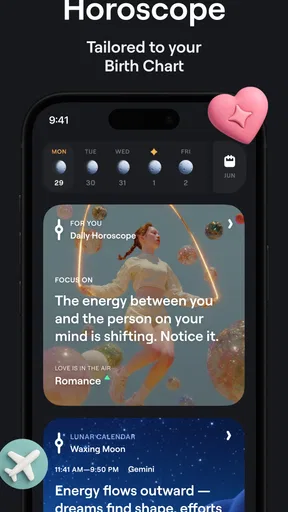
If you're into astrology, Moonly provides insights that align with the moon's position. The app integrates astrological data, offering forecasts and tips based on lunar movements. It’s not just about knowing when the next full moon is; it's about understanding how these phases might affect your mood, decisions, and interactions.
Each phase comes with a detailed description, explaining its significance and potential impact. Whether you're new to astrology or a seasoned stargazer, these insights can add a new layer of understanding to your daily routine.
Using interpretations without handing them the steering wheel
I get the most value from this sort of content when I use it as a question rather than an answer. If an interpretation mentions reflection, for example, I can ask myself what has been occupying my attention and write down my own response. If it doesn’t fit, I can simply move on. That approach preserves the reflective side of astrology without assuming that a forecast accurately describes everyone’s experience.
This also makes Moonly easier to recommend to people who are astrology-curious but not committed to every claim. You can explore the language and see what feels meaningful without needing to adopt a particular belief system. On the other hand, readers who want evidence-based mental-health guidance should look to qualified support and established resources; an astrology app is not a substitute for care.
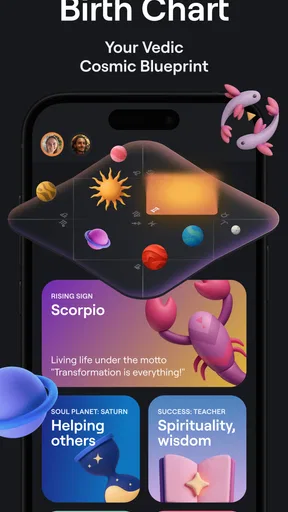
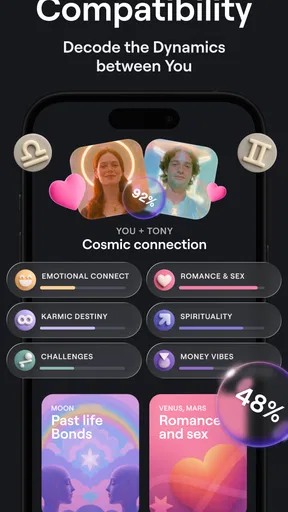
The birth-chart angle may be a draw if you want more personal astrological context than a general moon-phase note. It can make the app feel less like a universal daily horoscope and more like a space for exploring your own profile. Still, I’d treat chart interpretations as one lens among many. They can prompt useful self-reflection, but they shouldn’t define your personality or narrow the choices you feel able to make.
Meditation and affirmations as a small routine
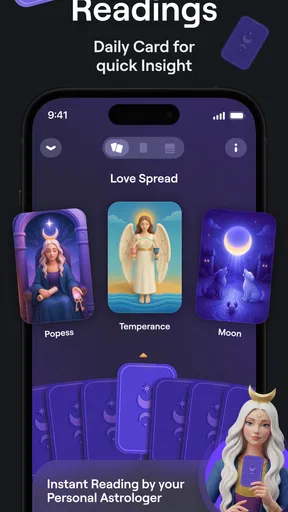
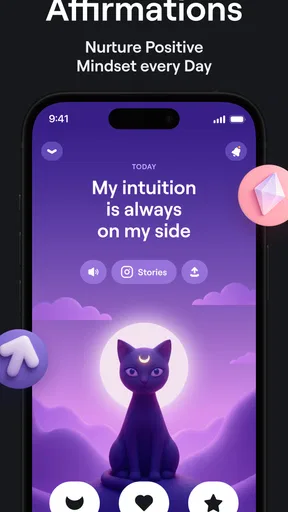
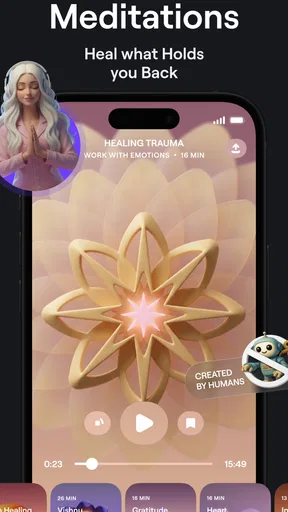
The app’s meditations and affirmations broaden its appeal beyond checking dates. A realistic way to use them is to attach a short listening or reading session to an existing moment—after making tea, before bed, or during a quiet break—rather than promising yourself a major daily transformation. The value is in having a prompt ready when you want one. If a particular affirmation feels artificial or doesn’t match your situation, there’s no benefit in forcing yourself to repeat it.
That is also where expectations matter. Moonly can offer material for reflection and a calming pause, but it should not be confused with therapy or a personalized mental-health plan. People looking for structured treatment, crisis support, or clinically grounded techniques will be better served by a qualified professional or a dedicated mental-health resource. I’d use the reflective content as an optional companion, not as the whole toolkit.
Interactive Elements
To keep things engaging, Moonly includes interactive elements like quizzes and challenges. These fun additions are designed to deepen your connection with the lunar cycle, encouraging you to learn more while having a bit of fun. It’s a smart way to combine education with entertainment.
The app also invites you to participate in a community of moon lovers. You can share your experiences, insights, and even photos of your moonlit adventures. It’s like a social network, but with a cosmic twist. Connecting with others who share your interests can be both enlightening and inspiring.
How it compares with other ways to follow the moon
Compared with a basic moon-phase calendar, Moonly takes a broader, more interpretive route. A simple astronomy or weather app may be a better fit if your only goal is to check visibility, plan a telescope session, or get a no-frills view of the sky. Moonly’s strength is the combination of lunar timing with astrology and reflective material; the trade-off is that users who want strictly observational information may find the extra layer unnecessary.
It also differs from a general meditation app. Those often make mindfulness the main event, while Moonly gives that kind of practice a lunar and astrological frame. Choose it if that frame makes a routine more engaging for you. If you want a broad library of guided practices without a cosmic theme, a dedicated meditation service is likely a closer match. I wouldn’t install Moonly expecting it to replace every app in either category.
Who will get the most from it
I think Moonly suits people who enjoy looking at the night sky, already have an interest in astrology, or want gentle prompts for journaling and personal routines. It can also work for someone who simply wants a visual way to follow moon phases and occasionally explore related content. You don’t need to build your whole schedule around it: checking a phase before a walk or reading a short reflection during a quiet moment is enough to make the app relevant.
It is less suited to people who want precise astronomy tools, a strictly scientific explanation of lunar events, or a mental-health product grounded in clinical practice. It may also frustrate anyone who dislikes interpretive language or prefers a tool that does one job with minimal extras. In those cases, a straightforward moon calendar, a stargazing resource, or a dedicated wellbeing app will probably feel more direct.
Free to start, with a paid-content trade-off
Moonly is free to download, but it includes in-app purchases ranging from under a dollar to just under a hundred dollars per item. That broad span is a reason to look carefully at what is offered before buying, rather than assuming every feature or piece of content is included at no cost. I’d spend time with the free experience first and only consider paying if a specific item clearly matches how I use the app.
The current version is 1.0.284, and it requires Android 6.0 or later. That makes the stated Android requirement relatively accessible for older devices, although the experience on any particular phone can still depend on its software and performance. If you use an iPhone, check the relevant store page for compatibility details before installing; the Android requirement does not tell you what an iOS device needs.
For a first visit, I’d keep the setup simple: look at the current phase, browse the calendar, and choose one notification only if you know what you want it to remind you to do. Then explore the astrology or wellbeing material at your own pace. This gives you a fair sense of whether Moonly’s mix is appealing without turning the first session into a commitment to use every part of it.
Final Thoughts
In a world where we often lose touch with nature, Moonly: Moon Phases & Calendar serves as a gentle reminder of the beauty and mystery that exists above us. It's more than just an app; it's a bridge to the cosmos, offering a deeper connection to the universe and its rhythms.
Whether you're using it for practical planning or simply to appreciate the wonder of the night sky, Moonly is a delightful addition to any smartphone. So, if you're ready to explore the lunar landscape and enhance your celestial knowledge, give it a try. You might find that the moon has more influence on your life than you ever imagined.
My verdict
My recommendation is a qualified yes: try Moonly if you want lunar dates wrapped in astrology and gentle self-reflection, and you’re comfortable deciding for yourself how much weight to give its interpretations. Its combination of calendar, birth-chart material, and wellbeing prompts gives it a distinct identity among lifestyle apps, while customization and reminders help make that identity practical in small ways.
I wouldn’t choose it as an astronomy reference, a replacement for a conventional calendar, or a source of professional mental-health care. For those jobs, more specialized tools are a better fit. But if you want a visually appealing nudge to notice the moon and make a little room for reflection, Moonly is an approachable place to start—provided you keep its guidance in perspective and check paid content before purchasing.
Pros
- Intuitive interface for easy navigation.
- Accurate moon phase data and times.
- Customizable notifications and alerts.
- Beautifully designed visual themes.
- Integrates well with other calendar apps.
Cons
- Limited free features; premium needed.
- Occasional sync issues with updates.
- Some ads in the free version.
- Requires internet for real-time data.
- No widget support for home screen.
FAQs for Moonly: Moon Phases & Calendar
What features does Moonly: Moon Phases & Calendar offer?
Moonly provides a comprehensive lunar calendar, tracking moon phases, eclipses, and zodiac signs. It also offers daily tips for well-being and rituals aligned with lunar cycles. The app includes detailed descriptions of each moon phase and its potential impacts on various aspects of life, making it easy for users to plan activities according to lunar influences.
Is Moonly: Moon Phases & Calendar user-friendly for beginners?
Yes, Moonly is designed with an intuitive interface that is accessible for beginners. It offers clear instructions and guides on how to use the app’s features. The design is straightforward, with easy navigation that allows users to quickly find information about moon phases, upcoming events, and personalized insights based on the lunar calendar.
Can I sync Moonly with my personal calendar?
Currently, Moonly does not offer direct synchronization with personal calendars like Google Calendar or Apple Calendar. However, users can manually add important lunar events and reminders by referring to the app’s detailed calendar. This feature ensures users can plan their personal schedules around significant lunar phases and events.
Does Moonly provide notifications for important lunar events?
Yes, Moonly offers customizable notifications to alert users about significant lunar events and phases. Users can set reminders for full moons, new moons, and other events of interest. This feature helps users stay informed and make the most of the lunar calendar by planning activities or rituals accordingly.
Is Moonly available in multiple languages?
Moonly is primarily available in English, but it offers support for several other languages, making it accessible to a global audience. Users can change the language settings in the app’s preferences to better suit their needs, allowing for a more personalized experience while accessing lunar information and insights.


